The late-summer art calendar is usually presented as a race: the show to catch, the fair to survive, the city to photograph before everybody leaves. A better itinerary begins with time. The strongest exhibitions still open in August 2026 are not interchangeable stops; each proposes a different pace of looking.
Venice asks for breadth. Basel offers an encounter built around uncertainty and living systems. Aalborg, unexpectedly, holds two exhibitions that pull in opposite directions: the late freedom of Picasso and the intimate, contemporary Greenland of Inuuteq Storch.
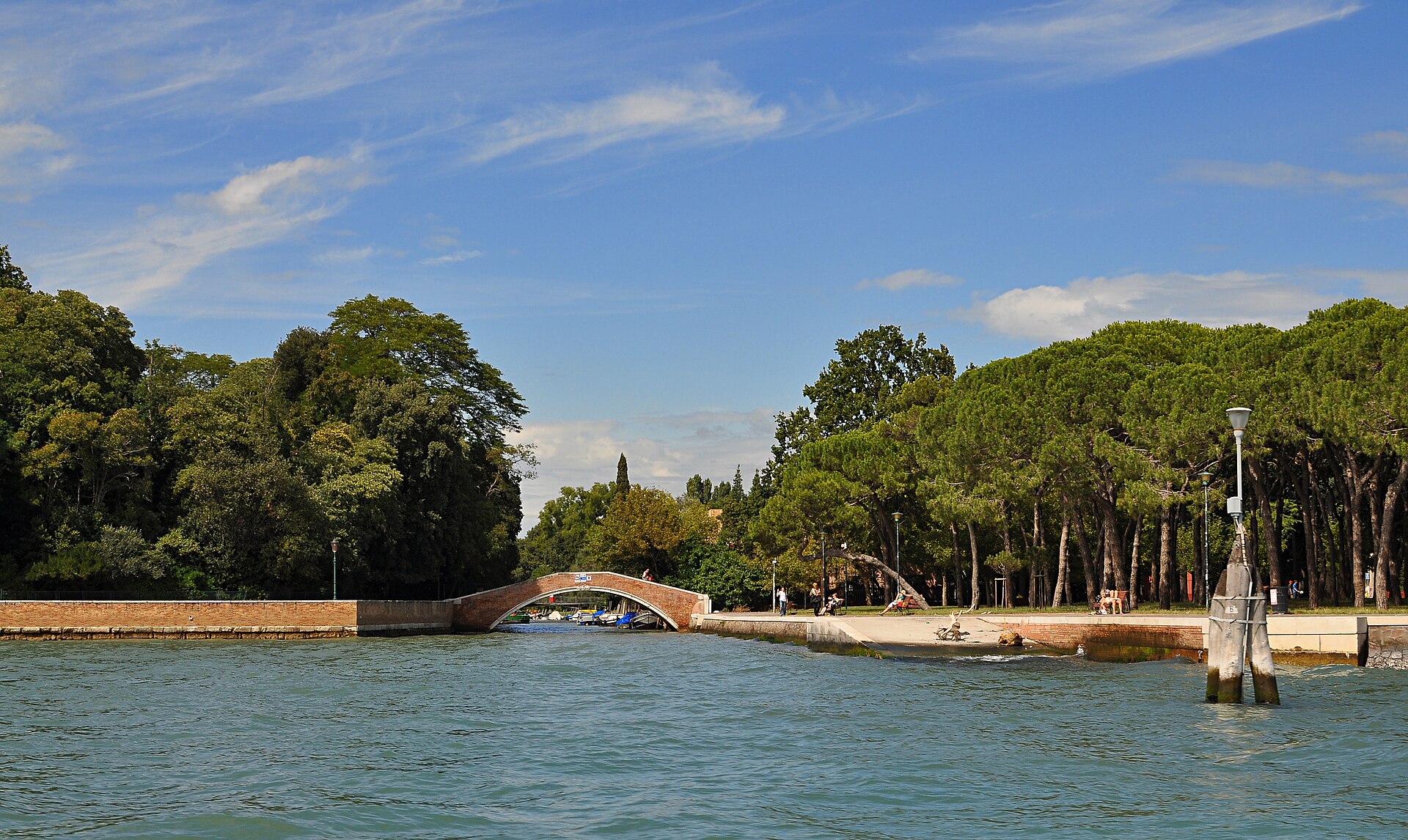
Venice: A Biennale That Needs More Than A Day
The 61st International Art Exhibition of La Biennale di Venezia, In Minor Keys, continues through 22 November. Conceived by Koyo Kouoh, it brings together 110 invited participants, 100 national presentations and 31 collateral events across the Giardini, Arsenale, Forte Marghera and the city.
The numbers are useful mainly as a warning against trying to consume the exhibition in a single sweep. Give the Giardini and Arsenale separate days. Until late September, the Arsenale stays open later on Fridays and Saturdays, which changes the rhythm considerably: arrive after lunch, allow the crowds to thin, and resist treating every pavilion as an obligation.
The edition is notably global in its structure. Guinea, Equatorial Guinea, Nauru, Qatar, Sierra Leone, Somalia and Vietnam are among the countries participating for the first time. That makes the Biennale less interesting as a ranking exercise than as a chance to notice which histories, materials and institutions are acquiring visibility.
Basel: Pierre Huyghe At Fondation Beyeler
At Fondation Beyeler, Pierre Huyghe's exhibition runs through 13 September. It is the artist's first solo exhibition in a Swiss museum and combines new works made for the occasion with recent films and selected earlier pieces.
Huyghe works across cinema, technology, biology and physical systems. His exhibitions do not behave like stable collections of objects; they unfold as environments whose elements can learn, shift and respond. In the calm precision of Renzo Piano's museum, that instability becomes especially effective. This is the Basel visit for anyone interested in what happens when an exhibition is treated as a living situation rather than a sequence of things on display.
Pair it with the garden and leave enough time between rooms. The work gains little from speed, and the building is part of the experience.
Aalborg: Picasso Without The Monument
Kunsten's Late Picasso, open through 6 September, brings together more than 60 works from the 1960s and 1970s. The museum describes it as the most extensive Nordic presentation of Picasso's late work in 40 years.
The attraction is not another confirmation of Picasso's stature. It is the opposite: a chance to look at the rawness, humour and anxiety of an artist working against the weight of his own reputation. The recurring musketeers, couples and self-images circle ageing, desire and mortality with deliberately loose brushwork. Long dismissed as an eccentric final chapter, these paintings now look closer to a sustained refusal of polite completion.
Aalborg Again: Inuuteq Storch And A Nearer Greenland
Also at Kunsten, Inuuteq Storch's Heart Beats Hope continues through 3 January 2027. Storch, from Sisimiut, became the first Greenlandic artist to represent Denmark at the Venice Biennale in 2024. His photographs move away from the distant, monumental Greenland produced for outsiders and toward everyday life, memory, family and belonging.
Seeing Storch and late Picasso in the same building is not an obvious pairing, which is precisely why Aalborg deserves more than a transit visit. One exhibition examines freedom after canonical success; the other asks who has been allowed to construct the image of a place. Together they make a sharper argument about authorship than a themed double bill could.
How To Choose
Choose Venice for scale and a genuinely international field; Basel for one concentrated, technologically alert exhibition; Aalborg for the most surprising two-show journey. The works, the buildings and the time spent looking are enough.
Dates and opening hours can change. Check the official pages for Biennale Arte 2026, Pierre Huyghe at Fondation Beyeler, Late Picasso and Inuuteq Storch before travelling.