Fashion history remembers signatures more easily than systems. Gianni Versace became an empire, Christian Lacroix became shorthand for the extravagance of late twentieth-century couture, and Dolce & Gabbana turned a highly specific image of southern Italy into a global business. Genny sits behind several of those stories, less famous now than many of the designers who passed through it.
That relative obscurity makes the company more revealing, not less. Genny was one of the enterprises that helped establish the Italian proposition that defined the 1970s and 1980s: sophisticated clothes could combine industrial production with serious design, move faster than Parisian couture and still retain the authority of tailoring and material knowledge.

From Ancona, Not Paris
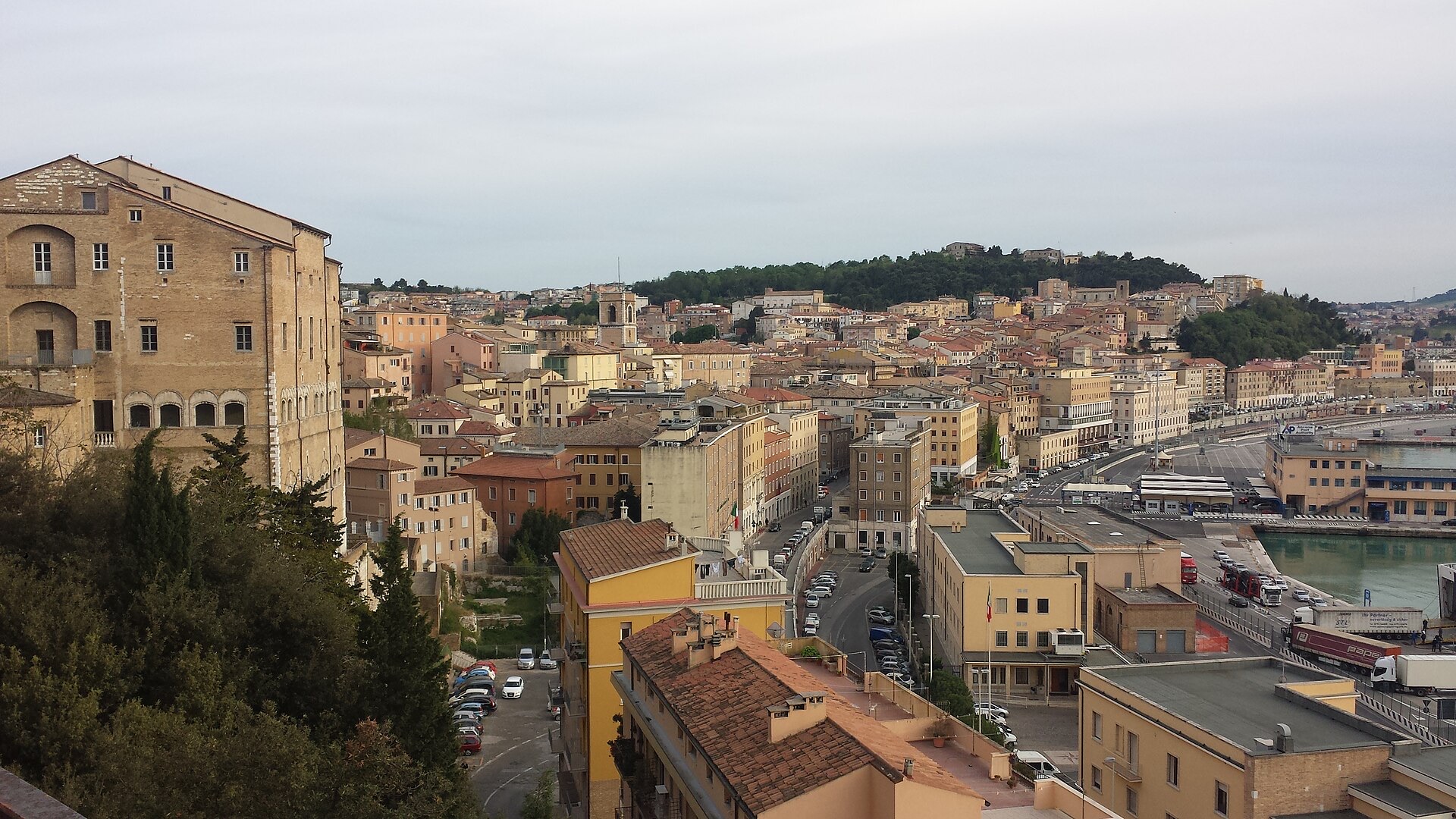
Arnaldo Girombelli began with a boutique and a small workshop in Ancona, producing skirts and blouses. Sources differ slightly on whether the label dates from 1961 or 1962, but the trajectory is clear. A first factory opened in 1968, turning an artisanal operation into a company with industrial reach while preserving a language of polished womenswear.
Genny was not a Paris haute couture house. It did not belong to the formal system of made-to-measure couture governed in France, and its commercial identity was built around luxury ready-to-wear. Yet the distinction should not be mistaken for a lack of craft. The Italian breakthrough was precisely the ability to bring tailoring, textile experimentation and designer authorship into repeatable production.
The company's early success with technically treated pleated skirts captures the formula. The innovation was not simply a silhouette; it was a manufacturing idea made visible as style.
The Young Versace Before Versace
Genny's decisive move came in the 1970s, when the group began working with a young Gianni Versace. The exact dates vary across archives, but Versace was designing within the Genny system by the middle of the decade, including work for the youthful Byblos line and the more experimental Complice.
This matters because fashion mythology often begins in 1978, when Versace launched his own house in Milan. Genny shows the apprenticeship before the monument. Inside a manufacturer with factories, sales networks and multiple labels, he could test colour, print, leather, sensual silhouettes and the relationship between provocation and a commercial wardrobe.
Byblos gave the group a younger, more graphic voice. Complice offered another field for experimentation. Genny itself remained the more controlled and adult proposition. Together they functioned almost like an editorial portfolio: distinct identities, shared industrial intelligence.
A Company Built Around Other People's Talent
Versace was not an isolated discovery. Genny and its associated labels became a platform for an unusually broad group of designers, among them Claude Montana, Guy Paulin, Christian Lacroix, Keith Varty, Alan Cleaver, Rebecca Moses and, at different points in the larger company story, Domenico Dolce and Stefano Gabbana.
In 1988, Le Monde described a company that paired young creative talent with investment in technology and marketing. The figures reported at the time — hundreds of direct employees and a much larger subcontracting network — reveal why Genny should be understood as infrastructure. It did not merely commission sketches. It translated design into products, quantities, distribution and international recognition.
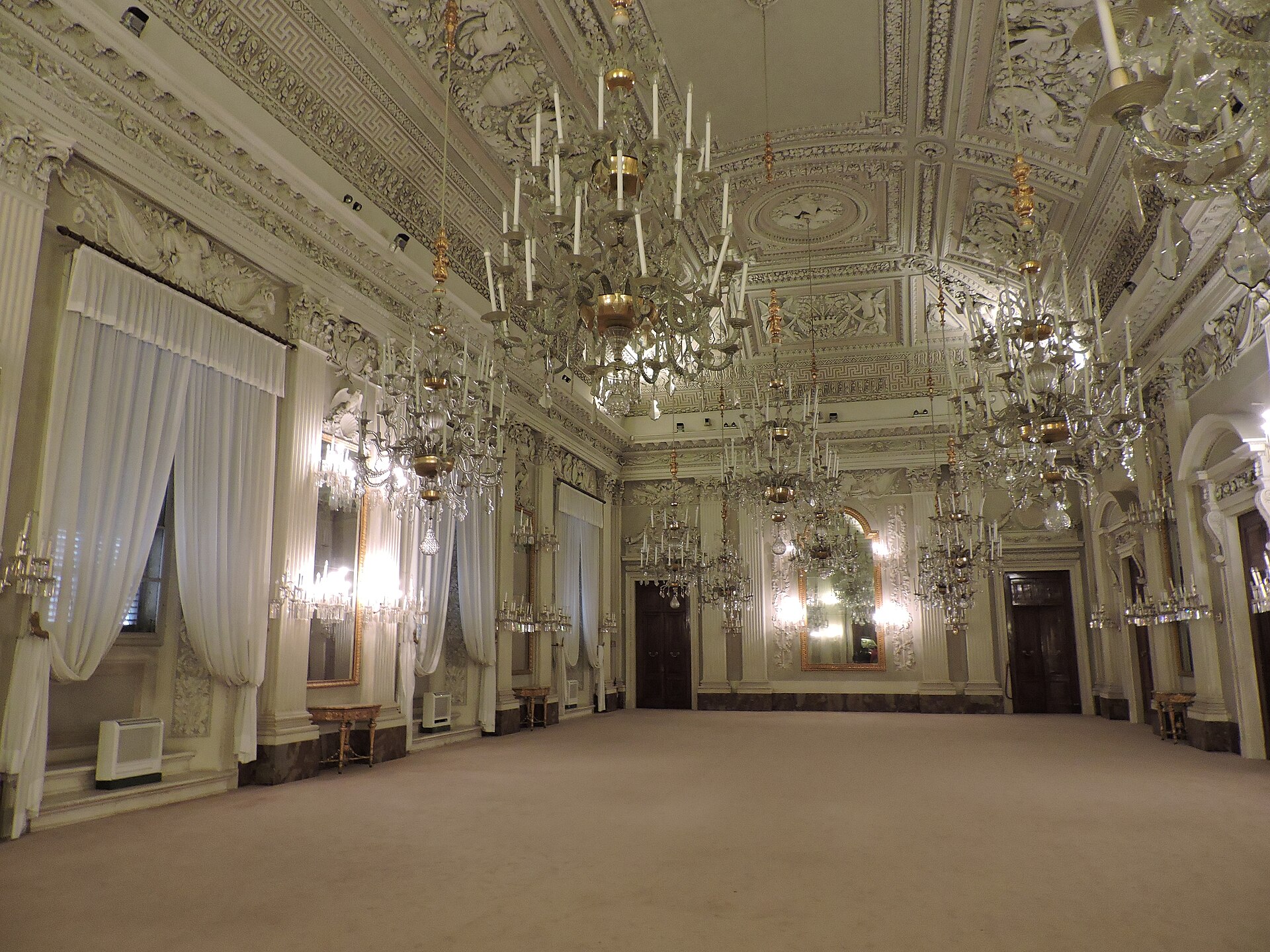
The 1977 presentation in the Sala Bianca at Palazzo Pitti symbolised that ascent. The room had already served as one of the ceremonial stages on which post-war Italian fashion announced itself to international buyers and press. For a company born on the Adriatic rather than in Paris, showing there meant entry into a larger national narrative.
What Happened To Genny?
After Arnaldo Girombelli's death in 1980, Donatella Girombelli took a leading role and continued the group's culture of designer collaboration. Genny expanded internationally and developed a wider portfolio of labels and licences. By the 1990s, however, the same complexity that made Italian fashion groups powerful also made them difficult to preserve through consolidation.
Prada acquired Genny in 2001. Production was later suspended, and in 2011 Swinger International acquired and relaunched the brand. Today, under creative director Sara Cavazza Facchini, Genny presents itself explicitly as Made in Italy prêt-à-porter: fluid, feminine, polished and contemporary.
The revival is not a return to a couture past, because that was never quite Genny's history. It is an attempt to reactivate a name whose real heritage lies in tailored ready-to-wear and in the organisational confidence of Italian fashion at its most expansionary.
The Archive Still To Be Written
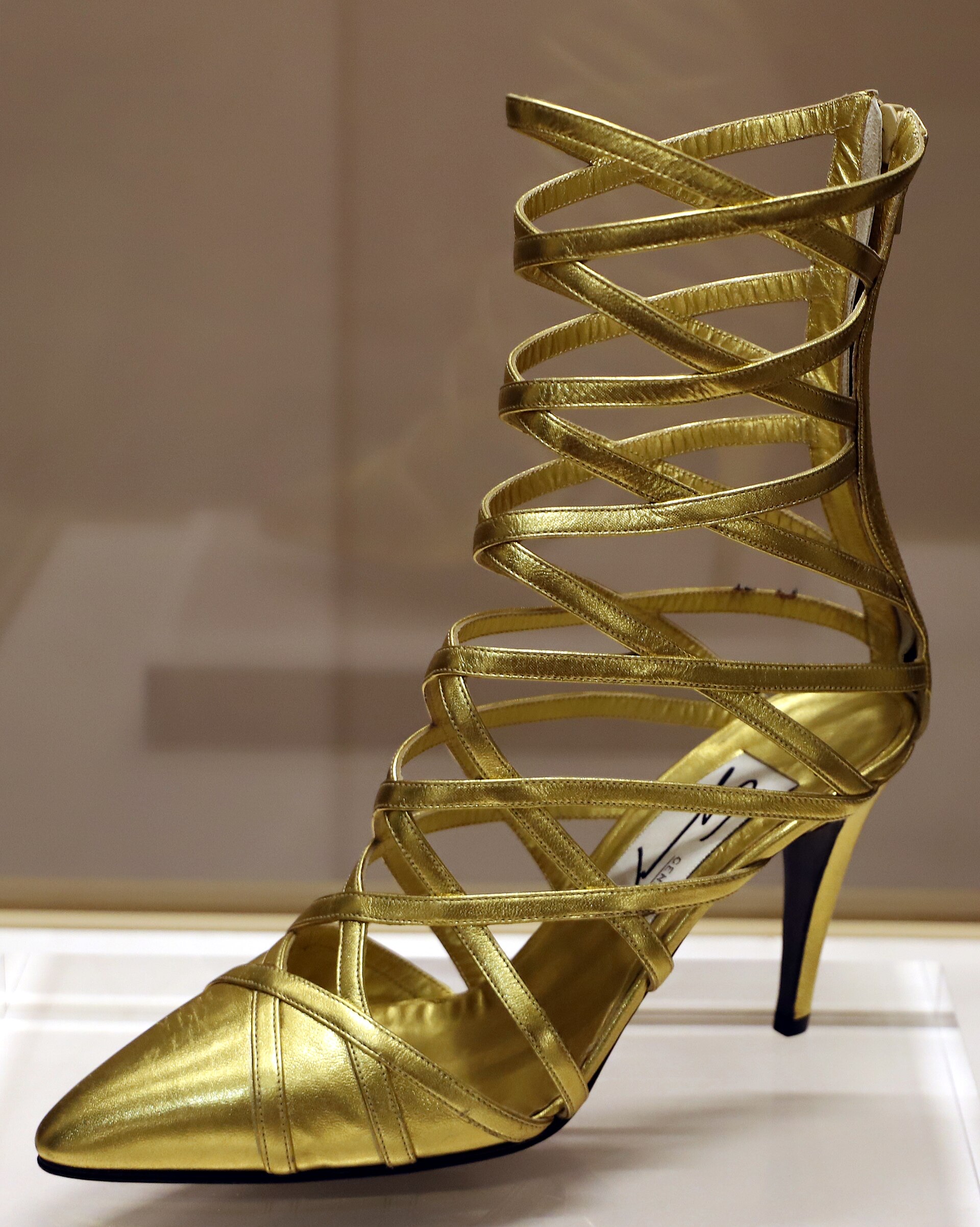
Vintage Genny is often encountered without context: a sharply cut jacket, an evening dress, a shoe in a museum collection, or a label mentioned mainly because Versace once designed for it. The more ambitious reading connects those objects to the business that made them possible.
Genny belongs to a history of fashion in which the company itself was a creative instrument. Its achievement was not the purity of a single author's vision. It was the capacity to recognise talent, give it materials and production, separate it into different labels and carry the result into the market.
That is a less romantic story than the lone genius at a drawing table. It is also closer to how modern fashion was actually built.
Research references: Genny's official history, the Museo della Calzatura archive, Byblos' official archive, the Fashion Institute of Technology archive and Le Monde's 1988 account of the Genny system.