Finance / Deep Resource
China Equities: A Deep Resource for Reading the Market
A finance desk guide to A-shares, Hong Kong listings, policy risk, industrial strength and the difference between a rebound trade and durable capital.
A finance desk guide to A-shares, Hong Kong listings, policy risk, industrial strength and the difference between a rebound trade and durable capital.
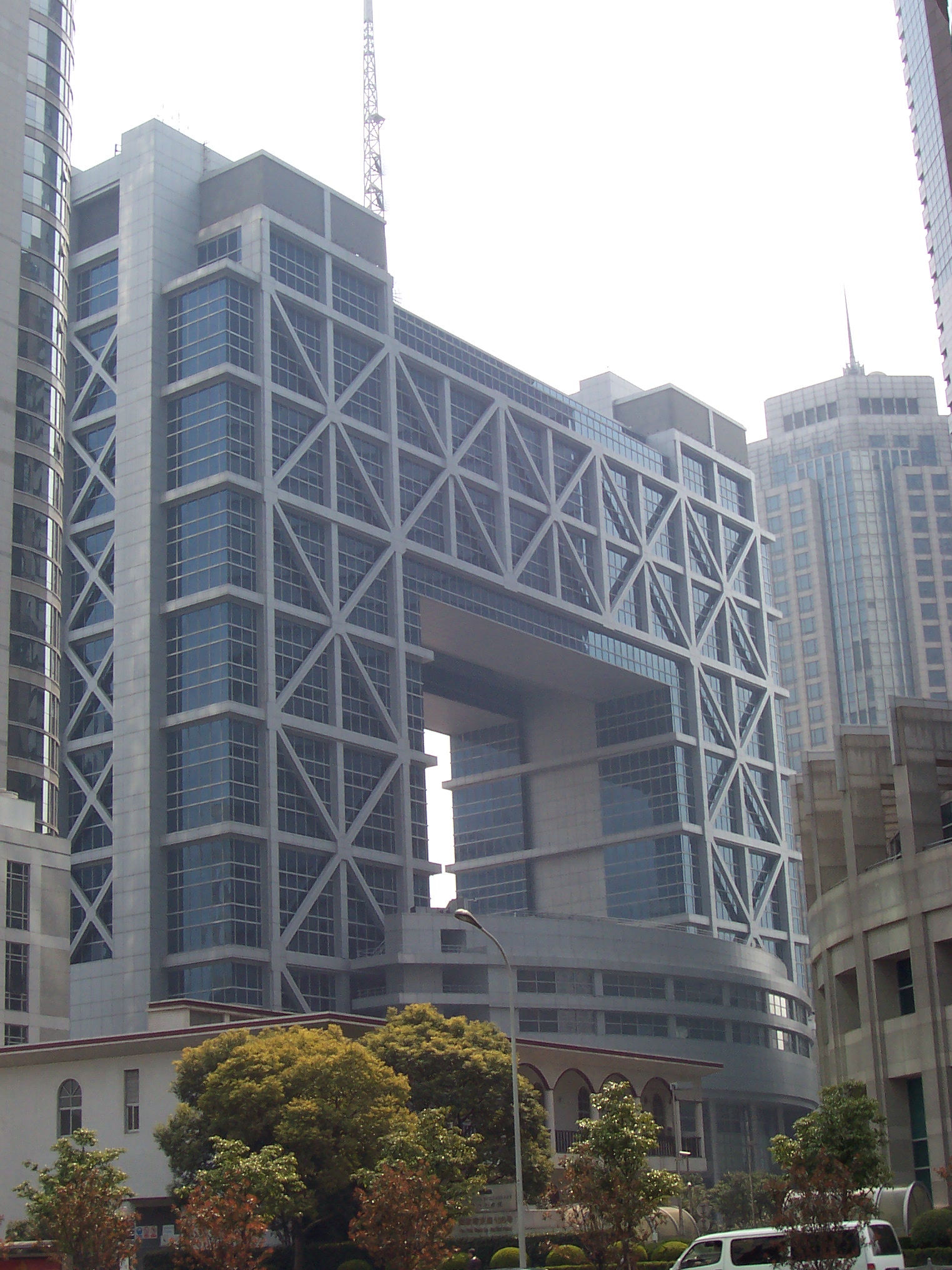
Chinese equities are usually discussed as if they were one trade. They are not. The investable map includes mainland A-shares in Shanghai and Shenzhen, Hong Kong H-shares, red chips, P chips, foreign listings and ADRs. MSCI describes its China index as covering large and mid-cap representation across those channels, with 576 constituents and an index market capitalisation of about USD 2.55 trillion at the end of July 2026.
That structure matters because a Shanghai-listed battery supplier, a Hong Kong-listed internet platform and a New York-listed education or e-commerce name do not carry the same liquidity, regulatory or currency profile. A considered reading of China begins by identifying the market wrapper before weighing an individual ticker.
The official first-half data show an economy with momentum and contradiction in the same frame. GDP grew 4.7 percent year on year in the first half of 2026, but the second quarter slowed to 4.3 percent. Industrial production was stronger than household demand: high-tech manufacturing rose 13.3 percent and equipment manufacturing 9.3 percent, while total retail sales of consumer goods rose only 1.3 percent.
The weak side of the ledger is just as important. Fixed-asset investment declined 5.7 percent in the first half, and real-estate development investment fell 18.0 percent. The result is a market where industrial champions can look powerful while domestic demand and property-linked confidence remain fragile.
Hong Kong is not a side door. It is one of the main ways global capital reads China. HKEX reported market capitalisation of HKD 46.8 trillion at the end of July 2026 and average daily turnover of HKD 307.2 billion for the month. Mainland enterprises represented 77.4 percent of market capitalisation and 91.9 percent of equity turnover.
That makes Hong Kong a liquidity theatre as much as a listing venue. It is where global investors can express views on Chinese platforms, banks, insurers, consumer brands, EV chains and state-linked infrastructure without entering the mainland A-share system directly.
First, industrial technology: batteries, robotics, automation, power equipment, semiconductors and advanced manufacturing. The macro data support the direction, but the valuation question is whether margins survive intense domestic competition.
Second, platform companies and AI infrastructure. The best names are no longer only consumer internet stories; they sit closer to cloud, payments, advertising, logistics and data-rich services. They also remain close to policy.
Third, dividends and state-linked balance sheets. Banks, telecoms, energy and infrastructure groups can be read less as glamour and more as income, reform and capital-return stories.
Fourth, domestic consumption. This is the most emotionally tempting category and the easiest to overpay for. The data argue for selectivity: services and upgraded goods can grow even when broad confidence is uneven.
China risk is not a single headline. It is a stack: policy direction, audit and accounting confidence, geopolitics, currency, liquidity, property drag, demographic pressure, and the state of household balance sheets.
The CSRC has continued to emphasise market stability, corporate governance, enforcement against manipulation and two-way opening of the capital market. Those reforms matter, but they do not remove the need for due diligence. They define the terrain on which due diligence takes place.
For any individual stock, the first questions are simple. Where is it listed? Where are its revenues earned? Is growth tied to exports, domestic demand, state procurement, platform economics or commodity cycles? Does the company return capital, need capital, or depend on policy protection? Is the balance sheet understandable? Are margins expanding because the business is stronger, or because the cycle is briefly kinder?
The most interesting Chinese stocks are rarely only cheap. They are usually cheap for reasons that need to be named. The work is to decide which discount is structural, which is cyclical, and which is simply the price of owning an asset that the market has not yet learned to trust again.
Image source: Wikimedia Commons, CC BY-SA 3.0.