A useful centre of gravity
Berlin Art Week opens its fifteenth edition with more than 300 events and over 100 exhibition openings spread across 125 museums, private collections, project spaces, galleries and the Positions Berlin Art Fair. The programme becomes clearer when it is read as a set of neighbourhoods and institutions, each showing a different part of Berlin's cultural character.
The festival centre sits at Kulturforum, between the Gemäldegalerie and Neue Nationalgalerie. Berlin Art Week Garten hosts talks, workshops and artistic interventions by day at the Gemäldegalerie; performances, DJ sets and open-air cinema move to the Neue Nationalgalerie after dark. The Garten programme is free and provides a practical starting point for a first visit.
The institutional route
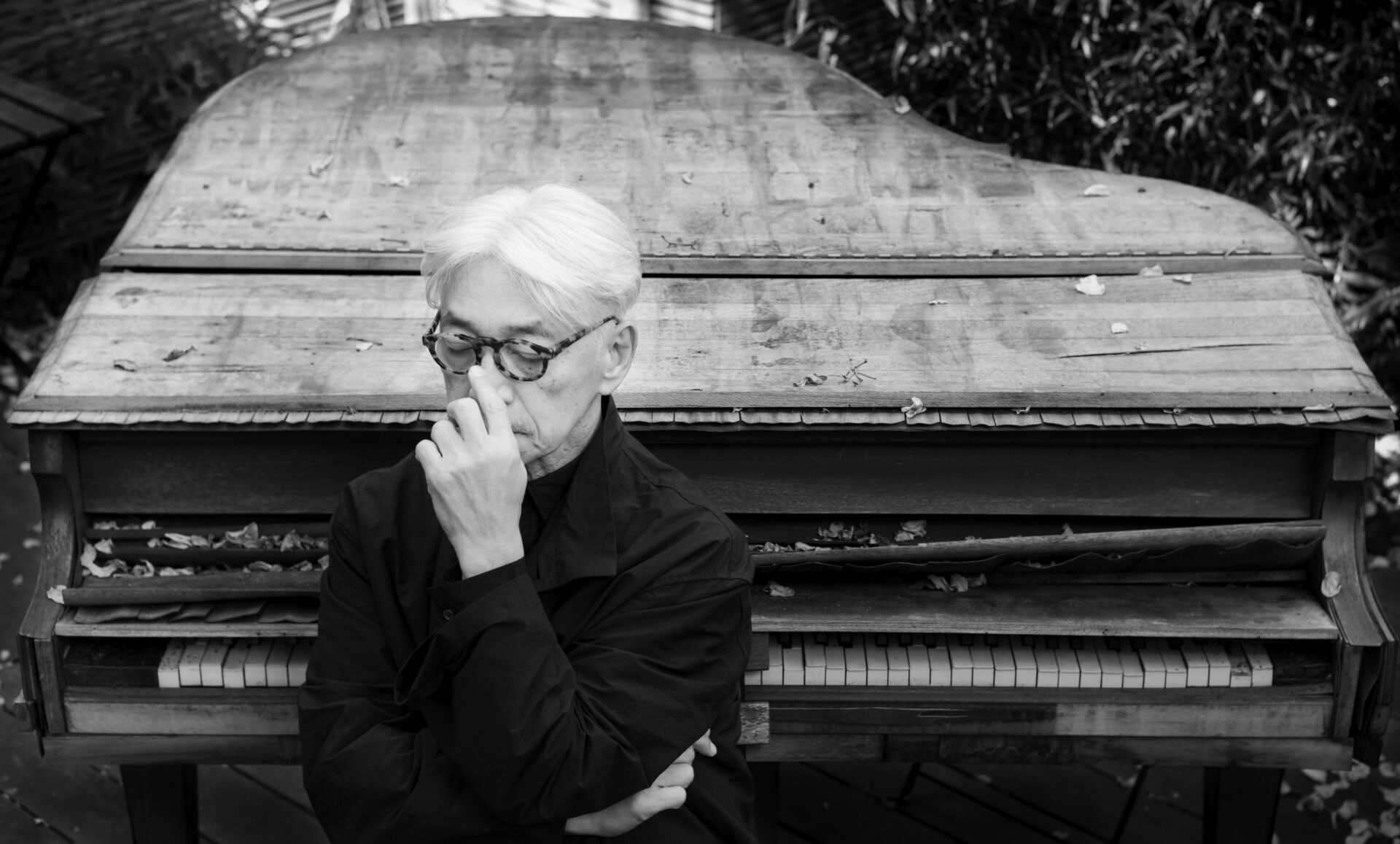
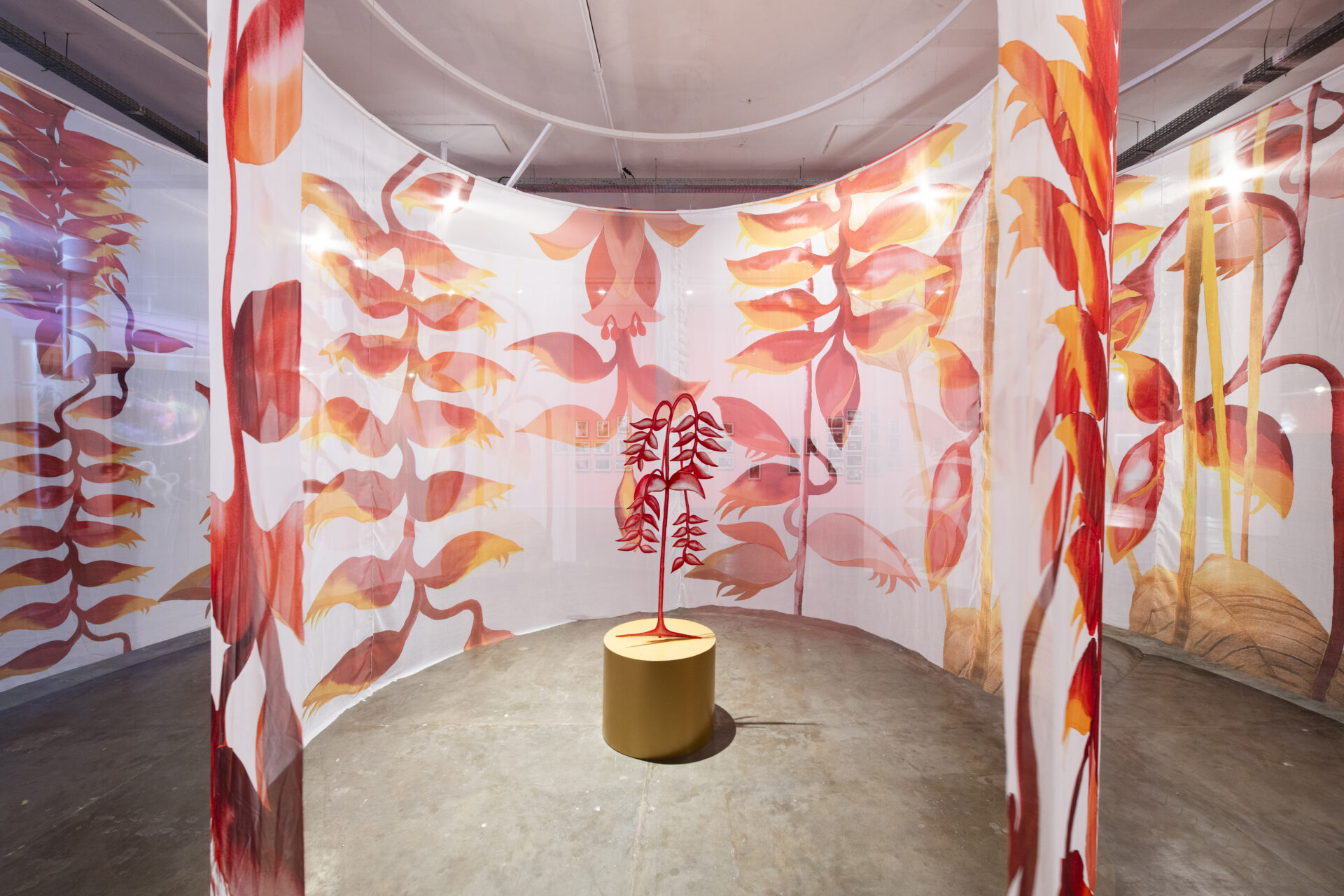
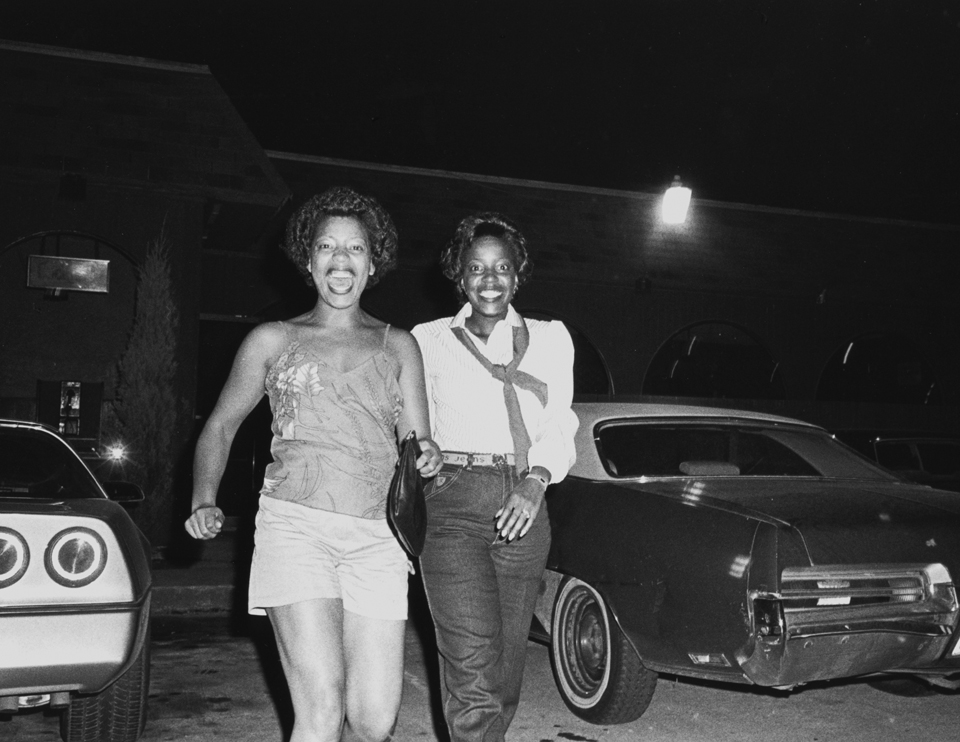
Hamburger Bahnhof brings Ryuichi Sakamoto into the week through a programme tied to sound, image and technological memory. At Gropius Bau, María Magdalena Campos-Pons connects Berlin to histories of migration, ritual and the Black Atlantic. C/O Berlin turns toward photography, with work by Carrie Mae Weems and Stelios Kallinikou among its visual anchors.
Neue Nationalgalerie places Maurizio Cattelan inside one of the city's most controlled modernist interiors. The contrast between Mies van der Rohe's building and Cattelan's theatrical instincts gives the institutional programme one of its sharpest encounters.
Four parts of the city
Kulturforum and Tiergarten offer the most efficient opening route, combining exhibitions, conversation and evening events within walking distance. Mitte and Hamburger Bahnhof carry the museum-scale programme, with spaces equipped for archival, sound-based and architectural work.
Kreuzberg and Neukölln are looser and more experimental. Project spaces, performance venues and younger galleries reward visitors who leave room for discovery. KINDL, housed in a former brewery in Neukölln, is a useful anchor for large-scale and spatial work.
Charlottenburg and the western galleries bring together established dealers, private collections and the quieter architectural texture of old West Berlin. The area offers a measured change of pace after the density of Mitte and the improvisational energy farther south.
The local context
The anniversary arrives while rising costs, pressure on independent spaces and competition for public funding test Berlin's cultural identity. The official programme still demonstrates an unusually broad ecology. National museums appear beside private foundations, medical and historical collections, commercial galleries, theatres and temporary initiatives.
Performance, film and sound hold a substantial place in the week. That breadth reflects a city where artistic life has long extended beyond the saleable object. Evening events at Neue Nationalgalerie and work distributed through non-profit venues reveal Berlin through its institutions, available spaces and shifting centres of attention.
Practical intelligence
Choose one institutional anchor and one neighbourhood each day. A rigid attempt to cover the full programme flattens the differences between venues. Berlin rewards slower movement, including the courtyards, converted buildings and changes in street life between exhibitions.
Begin at Kulturforum, then pair it with either the central museum corridor, the project spaces of Kreuzberg and Neukölln, or the western gallery route. The five-day structure leaves enough time for one evening at the Garten and a separate visit to Positions Berlin Art Fair.